
Top 5 Bookkeeping Mistakes Small Businesses in New Hampshire Must Avoid
Takudzwa Nyandoro • May 31, 2025
Avoid these 5 critical mistakes most small businesses in New Hampshire make -set your finances up for success.

Top 5 Bookkeeping Mistakes Small Business in New Hampshire Must Avoid.
If you run a small business in New Hampshire, managing your bookkeeping properly can mean the difference between smooth growth and financial chaos. At Twinoaks Bookkeeping, we specialize in helping local business owners avoid common pitfalls. Here are five of the biggest bookkeeping mistakes-and how to avoid them.
1.Mixing Personal and Business Expenses
Always keep your business and personal finances separate .it simplifies record-keeping and your business audit- ready. Opening a separate business account is one of the first steps we recommend at Twinoaks Bookkeeping.
2.Not Keeping Receipts and Records
Missing receipts can mean missed tax deductions and red flags during an audit. We help clients implement digital tools to easily save and categorize receipts.
3.Waiting Until Tax Season to Do Your Books
Many New Hampshire business owners only look at their books when text season hits. That's too late regular monthly bookkeeping helps you monitor your cash flow, reduce surprises, and plan smarter.
4.Skipping Bank Reconciliation
Monthly reconciliations ensure your books match your actual transactions. This is a core part of our service clients from costly errors.
5.Trying to Do it All Yourself
Bookkeeping software helps, but it can't replace strategic guidance. As New Hampshire-based bookkeeping professionals, we provide personalized service so you can focus on what you do best: running your business.
Need help avoiding these mistakes?
Contact Twinoaks Bookkeeping
today-we support small business across New Hampshire with reliable, affordable bookkeeping services.

Managing finances efficiently is one of the biggest challenges for small businesses and freelancers. With so many options available, finding the right accounting software can be overwhelming but it’s critical for saving time, avoiding mistakes, and staying tax-ready. At Twin Oaks Bookkeeping, we help small business owners and freelancers navigate their finances with the right tools and expert guidance. Here’s a guide to the best accounting software for small businesses and freelancers in 2026 — and tips to choose the perfect fit for your business. 1. Why Choosing the Right Accounting Software Matters The right software can: Automate invoicing, payments, and expense tracking Keep your books organized and ready for tax season Provide real-time insights into your business’s financial health For freelancers and small business owners, the difference between the right software and the wrong one can mean hours of lost time, missed deductions, or inaccurate financial reporting. 2. Top Accounting Software for Small Businesses in 2026 Based on features, popularity, and user reviews, here are the top picks: QuickBooks Online Best for small businesses looking for a simple, cloud-based solution Features: Invoicing, payroll, bank reconciliation, reporting Xero Ideal for businesses that need robust reporting and multi-currency support Features: Bank feeds, invoicing, inventory tracking, project tracking Sage Intacct Designed for growing businesses needing advanced financial management Features: Multi-entity consolidation, detailed analytics, automated workflows FreshBooks Great for freelancers and service-based businesses Features: Time tracking, expense management, professional invoicing 3. Accounting Software for Freelancers Freelancers have unique needs: they often juggle multiple clients, track hours, and manage taxes independently. Tools that simplify these tasks are in high demand: QuickBooks Self-Employed- Helps freelancers track income, expenses, and mileage FreshBooks – Professional invoicing and expense tracking Wave Accounting – Free, simple, and effective for small freelance operations Trending insight: Searches for “best accounting software for freelancers” have surged +400% recently. This shows a huge opportunity to capture new freelance clients with helpful guides and expert services. 4. How to Choose the Right Software for Your Business When deciding, ask yourself: What features do I need: payroll, inventory, invoicing, multi-currency? How many users will access the software? What’s my budget? How comfortable am I with accounting software? Pro tip: Start with a free trial before committing. Most major software offers trial periods to explore the interface and features. 5. When to Consider Professional Bookkeeping Support Even with the best software, many small business owners and freelancers struggle to keep their books accurate and tax-ready. That’s where Twin Oaks Bookkeeping comes in: We handle financial statement preparation, expense tracking, and payrol l We help you choose and set up the right accounting software Our services let you focus on growing your business while staying compliant and organized Conclusion Choosing the right accounting software in 2026 is crucial for small businesses and freelancers looking to save time, reduce errors, and stay tax-ready. With software options like QuickBooks, Xero, and Sage Intacct and professional support from Twin Oaks Bookkeeping managing your finances has never been easier. Ready to simplify your bookkeeping and focus on your business growth? Contact Twin Oaks Bookkeeping today for a free consultation!
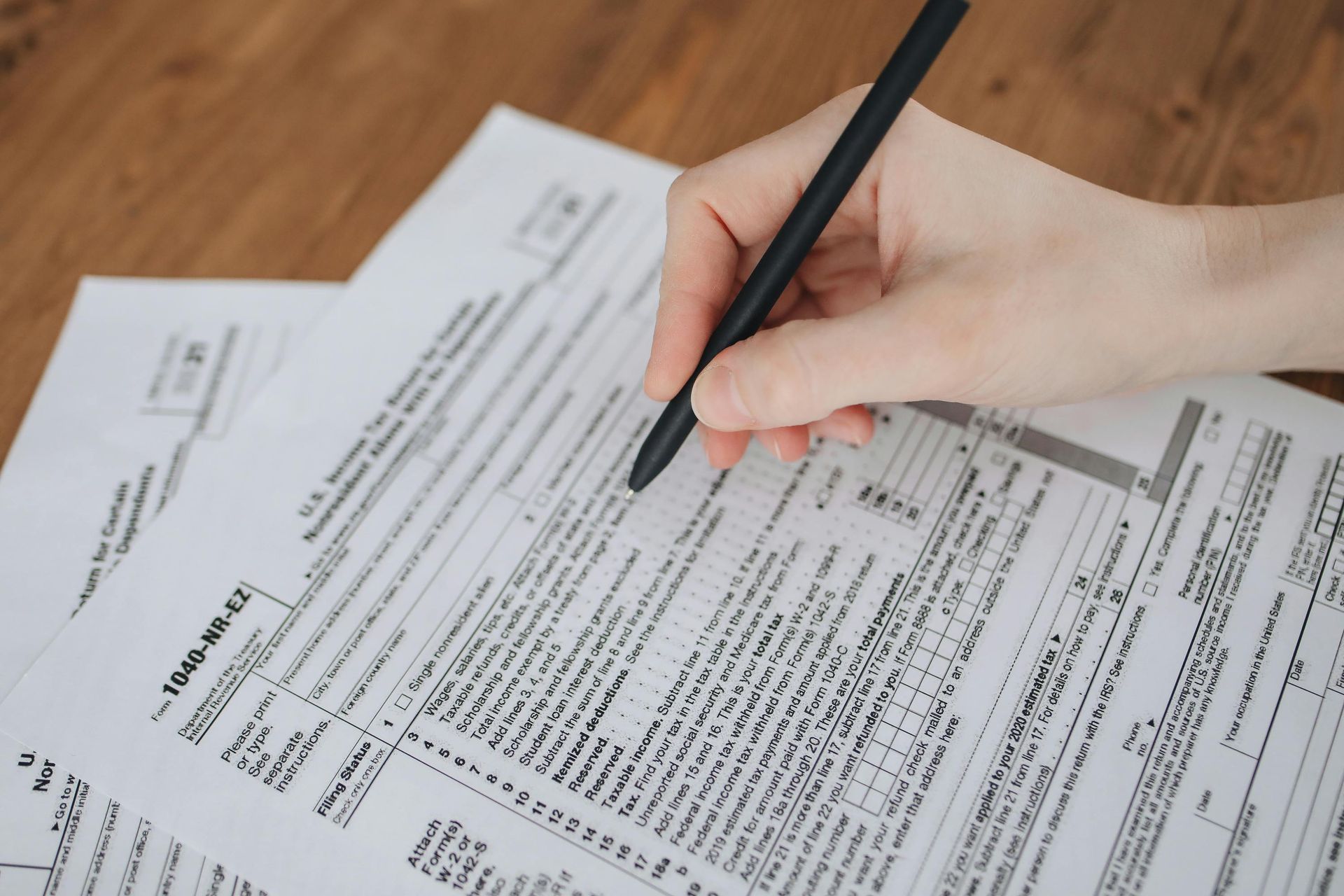
The 2026 tax season is here, and if you run a small business in New Hampshire or hire independent contractors, understanding 1099 filing requirements is essential. From freelancers to rental payments, certain 1099 forms must be filed with the IRS and shared with recipients to stay compliant and avoid penalties. This guide breaks down what you need to know to prepare your business for a smooth 1099 filing season. What Are 1099 Forms? 1099 forms are IRS information returns used to report income that isn’t on a W-2. This can include: Payments to independent contractors and freelancers Rent or royalty payments Dividends or interest Payment card transactions Issuing these forms ensures that both the IRS and your payees know how much income was earned outside of traditional wages. Who Must File a 1099? 1. Payments to Non-Employees (1099-NEC) If your business pays contractors, freelancers, or gig workers, you’ll likely need to issue a Form 1099-NEC if payments meet the reporting threshold. S or C corporations are generally exempt. 2. Miscellaneous Payments (1099-MISC) This form covers payments like: Rent Royalties Prizes and awards Other miscellaneous business income 3. Other 1099 Forms Depending on the type of income, other forms may apply: 1099-INT – Interest income 1099-DIV – Dividends 1099-K – Payment card or third-party network transactions 1099-B – Broker and barter transactions 1099-S – Real estate sales proceeds New Reporting Thresholds for 2026 One of the biggest updates for 2026 is the reporting threshold change: Payments to non-employees (1099-NEC) are subject to updated reporting limits. Backup withholding rules also align with these thresholds. Staying aware of these changes ensures your business remains compliant and avoids unnecessary penalties. Key Filing Deadlines for 2026 Form 1099-NEC Recipient copies due: February 2, 2026 (January 31 falls on a weekend) IRS filing due: February 2, 2026 Form 1099-MISC Recipient copies due: February 2, 2026 IRS filing due: February 2, 2026 Other 1099 Forms Recipient copies generally due: February 2, 2026 Some exceptions (e.g., 1099-B, 1099-S) may extend to February 17, 2026 Electronic Filing If you’re filing 10 or more 1099 forms , the IRS requires electronic filing. Using e-filing tools simplifies the process and reduces errors. Penalties for Missing Deadlines Failing to file accurate 1099s on time can result in fines based on: How late the filing is The size of your business Penalties can range from tens to hundreds of dollars per form , increasing for longer delays. Planning ahead and keeping accurate records is key. Tips for Smooth 1099 Compliance Collect W-9s early : Gather contractor tax info before payments are made Track payments year-round : Use bookkeeping software to flag payments that exceed reporting thresholds Consider e-filing: Reduces errors and simplifies submission Review IRS updates annually: Filing rules and thresholds change, so check before each tax season How Twin Oaks Bookkeeping Can Help Keeping your books accurate and organized makes 1099 filing much easier . Twin Oaks Bookkeeping helps New Hampshire small businesses: Properly categorize contractor payments throughout the year Ensure reporting thresholds are met Prepare for electronic or paper filing with confidence Avoid last-minute scrambling and errors With Twin Oaks handling the details, you can focus on running your business while staying compliant. Bottom Line The 2026 tax season introduces updated 1099 thresholds and filing requirements. By planning ahead and maintaining clean financial records, your New Hampshire business can stay compliant and avoid penalties. 💡 Need help preparing for 1099 season? Contact Twin Oaks Bookkeeping today and ensure your books are accurate, organized, and ready for a stress-free tax season.

Discover top bookkeeping, payroll, and accounting tips for small businesses in 2026. Keep your finances organized and compliant with Twin Oaks Bookkeeping.

For many small businesses, bookkeeping isn’t the problem falling behind is. Between managing customers, handling operations, and trying to grow, the books are often the first thing business owners push aside. At Twin Oaks Bookkeeping, we speak with business owners across New Hampshire every week, and almost all of them tell us the same thing “I’ll get to it next week and then next week becomes next month. "But here’s the truth Behind bookkeeping isn’t just an administrative delay it’s a risk. And in 2025, that risk is growing. Let’s break down why small businesses fall behind and how to regain control before issues spiral. 1. Business Owners Have Too Much on Their Plate Most entrepreneurs didn’t start their business to spend nights sorting receipts. You’re focused on revenue, sales, staff, and operations bookkeeping simply doesn’t compete for time but the longer the books go untouched, the more complicated and time-consuming the work becomes. What business owners need: A consistent bookkeeping system Someone who monitors transactions weekly A clear financial picture to support decision-making This is exactly what modern outsourced bookkeeping provides. 2. Software Alone Isn’t a Solution Tools like QuickBooks and Wave are powerful but they still require ongoing management, reconciliation, and oversight. Many owners assume software will “do it for them,” but technology can’t replace structured bookkeeping processes the most common issues we see: Uncategorized transactions Duplicate entries Wrong chart of accounts Bank accounts not reconciled Missing receipts for tax time Software + a real bookkeeper = the only reliable combination. 3. Cash Flow Problems Hide in Messy Books When books aren’t kept up-to-date, business owners lose visibility into: Which clients still owe money Which bills are overdue Which expenses are draining profit Whether they can afford major expenses If the business is actually growing or shrinking Accurate books are the foundation of cash flow control, and cash flow is the lifeline of any small business. 4. Taxes Become Stressful Fast No business owner wants to scramble during tax season with shoeboxes of receipts or months of missing entries Behind books create: Missed deductions IRS penalties Higher accounting fees Delays in filing Unnecessary stress Staying current month-to-month makes tax season predictable and painless. 5. Growing Businesses Need Better Insight Small businesses evolve quickly. What worked when you started no longer works once revenue, clients, and staff increase. Bookkeeping must evolve with you m odern bookkeeping offers: Monthly reports Cash flow summaries Expense breakdowns Profit & loss statements Guidance on how to improve margins This is where Twin Oaks Bookkeeping helps small businesses turn their numbers into strategy. How Twin Oaks Bookkeeping Helps Businesses Get Back on Track We provide more than bookkeeping we give business owners clarity and confidence by providing: Catch-Up Bookkeeping Whether you're 3 months or 12 months behind, we organize, clean, and reconcile everything. Monthly Bookkeeping & Reporting Accurate books, consistent oversight, and easy-to-understand financial insights. Payroll, Invoicing & Bill Pay Support Systems that keep your operations running smoothly. Tax-Ready Compliance Your books stay organized, so tax season is simple and predictable. Personalized Support Real communication, quick responses, and a team that cares about your success. The Bottom Line When your books fall behind, it affects your taxes, your cash flow, your decision-making, and ultimately your growth. But restoring order is easier than you think, Twin Oaks Bookkeeping helps you get caught up, stay compliant, and finally feel in control of your business finances. 👉 Ready to get your books back on track? Let’s talk today.

Why Early Tax Prep Matters for Small Businesses Tax season can feel overwhelming for small business owners, but being fully prepared saves time, stress, and money. Whether you’re a sole proprietor, LLC, or small corporation, early preparation helps you: Identify every possible legal deduction. Choose the best methods for reporting income and expenses. Understand new 2025 tax law changes affecting your business. Explore strategies to reduce future tax liability. At Twin Oaks Bookkeeping, we help NH businesses navigate tax prep efficiently so you can focus on growing your business. Key Tax Updates for 2025 1. Deduction for Tips and Overtime Qualified cash tips: up to $25,000 deductible, phases out above certain income levels. Qualified overtime pay up to $12,500 deductible for individuals, $25,000 for joint filers. These deductions apply to both itemizers and standard deduction filers and can reduce your taxable income significantly. 2. Vehicle Loan Interest Deduction Deduct up to $10,000 interest for loans on new personal-use vehicles under 14,000 lbs purchased after 2024. Applies to both standard and itemized deductions. 3. Expanded SALT Deduction State and local tax deduction limit increased to $40,000 (from $10,000). Phases out for high-income filers. 4. Retirement Catch-Up Contributions Individuals aged 60–63 can now contribute more to qualified plans, including 401(k)s and SIMPLE plans. Maximizes retirement savings while reducing taxable income. 5. Business Asset Deductions Section 179 Expensing: Deduct the full cost of qualifying assets (machinery, equipment, vehicles) up to $2.5M. Bonus Depreciation: 100% write-off for most qualifying assets in the year placed in service. These provisions encourage smart business investments while saving on taxes. 6. Other Important 2025 Tax Credits Child Tax Credi t: Up to $2,200 per qualifying child. Adoption Credit : Up to $17,280 refundable. Energy-efficient home & vehicle credits: Applies if your business or you installed qualifying systems or purchased electric vehicles. How to Get Organized for Tax Prep Proper record keeping is the foundation of stress-free tax filing. Here’s how Twin Oaks advises NH business owners: Start Early : Create a safe storage space for receipts, statements, and invoices. Separate Income and Expenses: Use categories like payroll, equipment, office expenses, charitable donations, etc. Track Investments and Sales: Maintain purchase dates, costs, and sales prices for all assets. Document Special Transactions: Include crypto, foreign accounts, and inherited property. Keep Employee Info Ready: W-2s, 1099s, mileage logs, and benefits statements. Pro Tip : Review last year’s return to catch anything you might have missed. Why Work with Twin Oaks Bookkeeping Expertise in small business tax preparation in NH. Tailored guidance for maximizing deductions and credits. Hands-on support for year-end bookkeeping and tax planning. Helps you reduce stress, avoid errors, and save money. With Twin Oaks Bookkeeping, tax season doesn’t have to be stressful. We guide NH businesses step by step, so you stay compliant, confident, and prepared for growth. Next Steps : Schedule Your Consultation Don’t wait until April! Get organized early and take advantage of 2025 tax opportunities. 📞 Call us today at 603-444-3363

The body content of your post goes here. To edit this text, click on it and delete this default text and start typing your own or paste your own from a different source.

As small businesses face increasing financial complexity in 2025, manual bookkeeping is no longer enough. AI and automation are revolutionizing how companies manage their finances — from payroll and accounting to expense tracking and compliance. Recent reports highlight this shift: a NetSuite 2025 Accounting Trends study shows cloud-based solutions and real-time dashboards are becoming essential, while the Financial Cents 2025 Workflow & Automation Report reveals firms are automating repetitive tasks to focus more on strategic financial planning. The Rise of AI in Bookkeeping AI-powered tools can automatically categorize expenses, reconcile accounts, and flag unusual transactions. According to Intuit’s 2025 Accounting Trends , 64% of accounting firms plan to invest heavily in AI, reflecting the growing demand for smarter, faster bookkeeping solutions. Platforms like @QuickBooks help small businesses automate routine accounting tasks, giving business owners more time to focus on growth. Real-Time Financial Insights Small businesses now expect instant visibility into cash flow, expenses, and profitability. Cloud-based bookkeeping solutions provide dashboards that update in real time, helping owners make faster, data-driven decisions. Twin Oaks Bookkeeping leverages these technologies to give clients accurate, timely financial reports that inform better business decisions. According to SMAC CPA’s 2025 Small Business Bookkeeping Guide , adopting real-time bookkeeping tools is critical for keeping up with competition. Smarter Workflows, Fewer Manual Tasks Automation is not just about efficiency; it reduces errors and improves compliance. By integrating payroll, accounting, and bookkeeping in cloud platforms, small businesses streamline operations and save valuable time. Twin Oaks partners with trusted platforms like @QuickBooks to ensure smooth, automated workflows that keep businesses organized and compliant. 📝 Take Action in 2025 Small business owners don’t have to struggle with bookkeeping anymore. Twin Oaks Bookkeeping helps businesses across New Hampshire implement AI-driven, automated accounting solutions — saving time, reducing errors, and providing actionable insights. 📩 Learn more at www.twinoaksbooks.com or send us a message on LinkedIn to see how we can streamline your business finances. #Bookkeeping #SmallBusinessFinance #AIinAccounting #Automation #CloudBookkeeping #TwinOaksBookkeeping #QuickBooks #Payroll #AccountingTrends2025

In today’s fast-changing business world, small businesses face growing pressure to manage their finances more efficiently but finding skilled bookkeepers and accountants has become a challenge. The solution? Artificial Intelligence (AI) is quickly becoming the trusted partner that helps bridge the accounting skills gap. At Twin Oaks Bookkeeping, we’ve seen how AI-powered bookkeeping tools are transforming the way small businesses handle their day-to-day financial tasks saving time, reducing errors, and creating room for smarter decision-making. 1. Automation Handles the Routine, So You Can Focus on Strategy AI bookkeeping tools can automatically categorize transactions, reconcile accounts, and detect duplicates in seconds — tasks that traditionally took hours. This automation doesn’t replace human expertise; instead, it allows business owners and accountants to focus on analysis, planning, and growth. By letting technology handle the repetitive work, companies gain more time to focus on what matters most — their business. 2. Improved Accuracy and Reduced Human Error Manual data entry and spreadsheet management often lead to small mistakes that can snowball into major discrepancies. AI reduces these errors by learning from patterns and identifying inconsistencies in real time. For example, if an expense looks out of place or an invoice number is missing, AI can flag it instantly keeping your books cleaner and more accurate. At Twin Oaks, we pair these smart systems with human oversight to ensure every entry is verified and compliant. 3. Real-Time Financial Insights for Better Decisions Gone are the days of waiting until month-end to understand your cash flow. AI-powered bookkeeping systems provide real-time data and visual dashboards that help business owners see where their money is going, track expenses, and forecast future trends. This level of insight empowers small businesses to make proactive financial decisions whether that’s investing in growth, cutting unnecessary costs, or improving profitability. Bridging the Gap Together The future of bookkeeping isn’t about replacing people with machines it’s about enhancing human expertise with technology. By combining automation and personalized financial guidance, Twin Oaks Bookkeeping helps small businesses stay ahead, efficient, and confident in their financial management. If your business is ready to embrace smarter bookkeeping, let’s connect today. 📞 Contact us for a free consultation” or “Schedule a call with Twin Oaks Bookkeeping. 603-444-3363

Write about something you know. If you don’t know much about a specific topic that will interest your readers, invite an expert to write about it.